Properties and Strength of Stainless Steel
Stainless steel is known for its strength, durability, and resistance to corrosion. It contains iron mixed with chromium, and sometimes nickel, which forms a protective layer against rust. This makes it ideal for environments exposed to moisture or chemicals. Stainless steel maintains its structure even under high temperatures and heavy loads.
Because of its strength, stainless steel is commonly used in construction, medical instruments, kitchen equipment, and industrial machinery. It is also easy to clean and maintain, making it a popular choice for food processing and healthcare facilities. While it is heavier than aluminum, its superior strength and resistance to wear make it highly dependable for long-term use.
Lightweight and Versatile Aluminum
Aluminum is valued for being lightweight yet strong. It is about one-third the weight of steel, which makes it perfect for industries where reducing weight is important, such as automotive, aerospace, and transportation. Despite being lightweight, aluminum offers good corrosion resistance because it naturally forms a protective oxide layer.
Another major advantage of aluminum is its excellent thermal and electrical conductivity. It is widely used in power transmission lines, window frames, roofing, packaging materials, and consumer electronics. Aluminum is also highly recyclable, which makes it an environmentally friendly option. Its flexibility allows it to be shaped into various forms without losing strength.
Conductivity and Performance of Copper
Copper stands out for its exceptional electrical and thermal conductivity. It is one of the best conductors of electricity among common metals. This makes copper essential in electrical wiring, motors, transformers, and electronic circuits. It is also used in plumbing systems due to its corrosion resistance and durability.
In addition to conductivity, copper has natural antimicrobial properties. This makes it useful in medical environments and water systems. Copper is also attractive in appearance, often used in architectural design and decorative elements. Although it is heavier and more expensive than aluminum, its efficiency in conducting electricity makes it irreplaceable in many applications.
Comparing Stainless Steel, Aluminum, and Copper
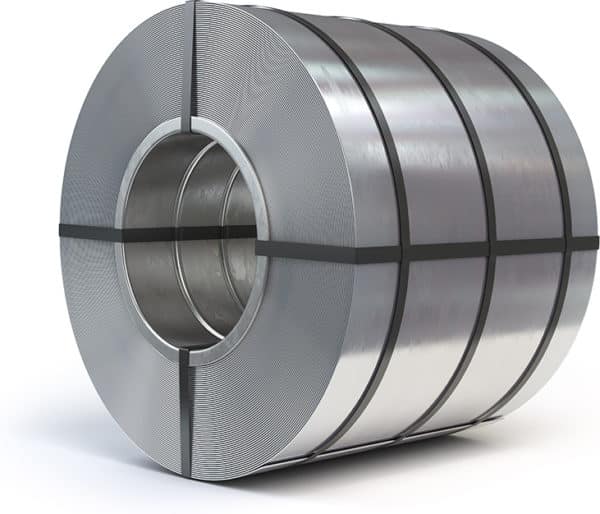
When comparing stainless steel, aluminum, and copper, the choice depends on the intended use. Stainless steel offers maximum strength and resistance to corrosion, making it suitable for structural and heavy-duty applications. Aluminum provides lightweight strength and flexibility, ideal for transportation and modern construction. Copper excels in electrical and thermal conductivity, making it essential for energy and communication systems.
Cost is another factor to consider. Aluminum is generally more affordable than copper, while stainless steel falls in between depending on grade and composition. Maintenance requirements also vary. Stainless steel requires minimal maintenance, aluminum resists corrosion naturally, and copper may develop a patina over time, which can be desirable in some designs.
Industrial and Commercial Applications
Industries rely heavily on these three metals for different purposes. In construction, stainless steel is used for structural components, railings, and fasteners. Aluminum is common in window systems, roofing panels, and exterior cladding. Copper is primarily used in electrical systems and plumbing networks.
In the automotive and aerospace industries, aluminum helps reduce overall vehicle weight, improving fuel efficiency. Stainless steel is used in exhaust systems and structural parts. Copper remains critical for wiring and electronic controls. In consumer products, these metals are found in appliances, cookware, electronics, and decorative finishes.
Sustainability and Recycling Benefits
All three metals are highly recyclable, which supports sustainable manufacturing practices. Aluminum can be recycled repeatedly without losing quality, using significantly less energy than producing new aluminum from raw materials. Stainless steel also maintains its properties after recycling, reducing environmental impact. Copper recycling is equally efficient, making it a valuable material in green energy systems.
Choosing recyclable metals helps reduce waste and conserve natural resources. Many industries now focus on sustainable sourcing and recycling programs to minimize their carbon footprint. This makes stainless steel, aluminum, and copper not only practical but also environmentally responsible materials.
Choosing the Right Metal for Your Project
Selecting between stainless steel, aluminum, and copper requires careful evaluation of project requirements. If strength and corrosion resistance are priorities, stainless steel is often the best option. For lightweight structures and energy efficiency, aluminum offers clear advantages. When electrical conductivity and heat transfer are essential, copper remains unmatched.
Factors such as budget, environmental conditions, maintenance needs, and long-term durability should guide the decision. Consulting with material experts or engineers can ensure the most effective choice. By understanding the strengths of each metal, businesses and individuals can achieve better performance, cost savings, and long-lasting results.